




The Wilderness Frequency: Why Solitude Matters
Written by Senior Field Editor Julian Vance · July 14, 2026
Recent architectural studies reveal that modern hyper-connected metropolitan areas block alpha brainwave patterns associated with deep geometric observation. When we remove tracking grids, the auditory system adapts to micro-variations in forest cover sounds within 48 hours.
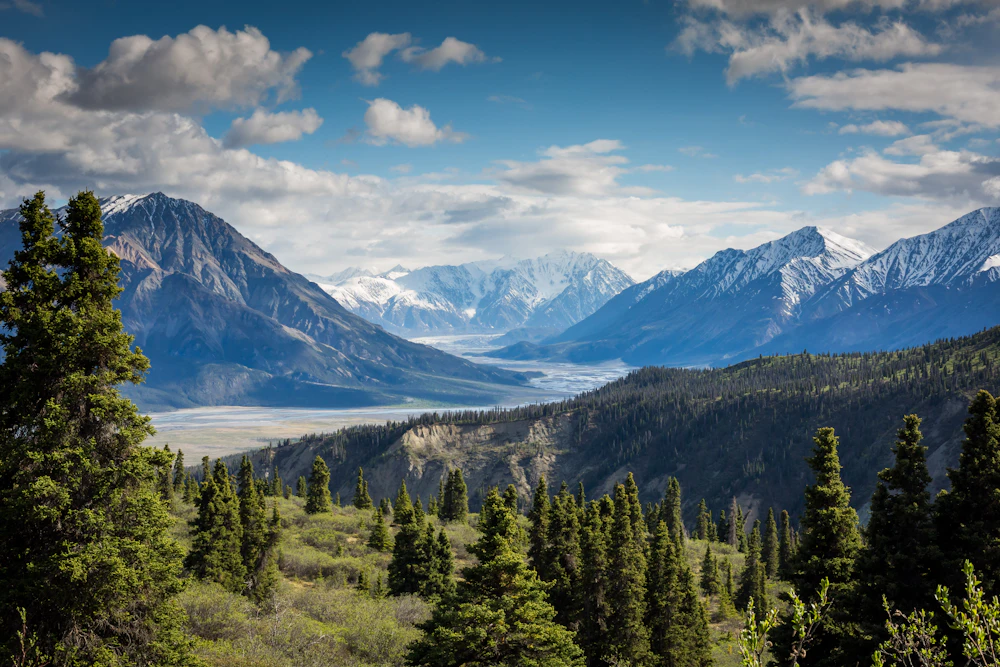
Solitude is not loneliness—it is the deliberate withdrawal from the frequency of others to tune into a different signal. The wilderness offers a frequency that cannot be replicated by any digital interface. It is the sound of wind moving through pine needles, the rhythm of your own breath, the slow realization that you are part of something larger than yourself.
In the absence of notifications, the mind begins to wander—not aimlessly, but with a sense of purpose that is often lost in the noise of daily life. This is the wilderness frequency: a state of attention that is both relaxed and alert, open and focused. It is the condition in which we are most ourselves.
The Art of Minimalist Packing
Written by Gear Technician Sarah Croft · July 10, 2026
Every ounce carried across a 20-kilometer mountain ridge translates directly into mechanical physical strain. By switching out structural composite elements for high-grade multi-functional fabrics, field crews can decrease total load metrics by 35% without losing emergency contingency protection assets.
Minimalist packing is not about deprivation—it is about liberation. The less you carry, the more you can move. The more you can move, the further you can go. And the further you go, the more you discover about the world and yourself.
The principles are simple: choose versatility over volume. Select fabrics that dry quickly and insulate even when damp. Prioritize items that serve multiple purposes. Leave behind anything that does not earn its place. The freedom of a light pack is not just physical—it is mental, emotional, and deeply philosophical.
The Sound of a Forest
Written by Sound Ecologist Mira Chen · July 5, 2026
The acoustic landscape of the wilderness is a living symphony—wind through pine needles, the rustle of leaves, the distant call of a bird, the quiet hum of a living ecosystem. These sounds are not background noise; they are the language of the forest.
Over the course of a single day, the sound of a forest shifts dramatically. Dawn brings the first calls of songbirds. Midday offers the drone of insects and the rustle of small mammals moving through the undergrowth. Evening brings the quiet settling of the canopy, the last calls of the day, and the first sounds of the night.
To listen to a forest is to understand its health, its rhythms, its stories. It is to become part of something that existed long before you arrived and will continue long after you leave. The sound of a forest is a reminder that silence is not empty—it is full of life.
Packing for Unexpected Weather
Written by Field Operations Lead David Okonkwo · June 28, 2026
A comprehensive guide to layers, shelter, and essential gear—how to prepare for the unpredictable without weighing yourself down. The key is not to pack for the weather you expect, but for the weather that might arrive.
The layering system is the most effective approach: a moisture-wicking base layer, an insulating mid-layer, and a waterproof outer shell. Each layer serves a specific function, and together they provide protection across a wide range of conditions. Add to this a reliable shelter, a method for water purification, and a means of navigation, and you are prepared for almost anything.
The unexpected is not the exception—it is the rule. In the wilderness, conditions change rapidly. The skill is not in predicting the weather but in being prepared for its unpredictability. Pack light, pack smart, and trust in your ability to adapt.
The Night Sky at 3,000 Meters
Written by Expedition Lead Lena Voss · June 20, 2026
A personal reflection on solitude, the Milky Way, and the profound perspective that comes from sleeping under the stars. At 3,000 meters, the sky is not above you—it is around you. The stars are not distant pinpricks of light; they are a vast, luminous presence that fills the dome of the sky.
There is something about the night sky at altitude that recalibrates the human sense of scale. The problems of daily life become small. The quiet becomes profound. And for a moment, you are part of something much larger than yourself—a continuum of light and time that stretches back billions of years.
The night sky is the original archive. It holds the memory of everything that has come before. To sleep under it is to become part of that memory, to add your presence to the vast and ongoing story of the universe.
"The wilderness is not a place to escape to—it is a place to return from, carrying new understanding."
— The Wild Journal · Volume 4